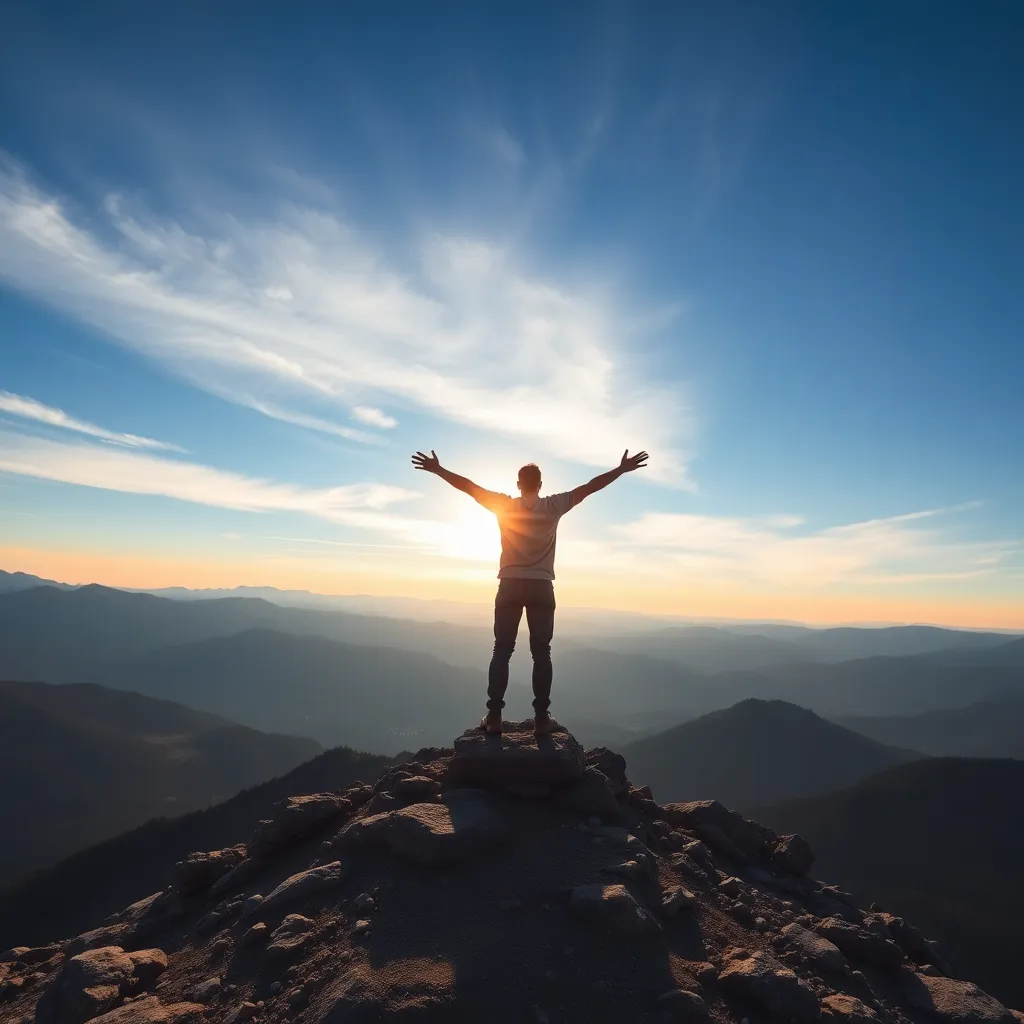
Adventure Recovery: How Colorado's Outdoors Supports Long-Term Sobriety
Colorado's mountains, trails, and outdoor culture play a powerful role in recovery. Learn how wilderness therapy, adventure therapy, and sober outdoor communities support healing.
Colorado is blessed with an embarrassment of natural riches: 58 peaks above 14,000 feet, more than 26,000 miles of trails, some of the best whitewater rivers in North America, vast national forests, and a culture built around the outdoors. For Coloradans in recovery from addiction, this environment is not just scenic backdrop — it can be a profound resource for healing, growth, and sustained sobriety.
The relationship between time in nature, physical activity, and recovery from addiction is increasingly supported by research. Add to that the growing infrastructure of adventure therapy programs, wilderness therapy, and sober outdoor communities in Colorado, and you have a unique recovery ecosystem unlike anything most states can offer.
Why Nature Supports Recovery
The science of why outdoor and nature-based experiences support mental health and recovery is robust and growing. Key mechanisms include:
Stress reduction: Research published in peer-reviewed journals and reviewed by the Substance Abuse and Mental Health Services Administration (SAMHSA) shows that time in natural environments reduces cortisol levels, lowers blood pressure, and activates the parasympathetic nervous system — the body’s “rest and digest” mode. For people in early recovery who are managing significant stress and anxiety, regular time in nature provides physiological regulation that supports other recovery work.
Neurological restoration: The National Institute on Drug Abuse (NIDA) notes that addiction changes brain chemistry in ways that can make the experience of everyday pleasure feel muted — a phenomenon called anhedonia. Physical activity and nature exposure stimulate the brain’s reward and dopamine systems through healthy pathways, gradually restoring the capacity for natural pleasure and reducing the pull toward substance use.
Mindfulness and presence: Many mindfulness practices used in addiction treatment — including those in programs like Mindfulness-Based Relapse Prevention (MBRP) — are naturally facilitated by outdoor settings. The sensory richness of a mountain environment, the rhythm of a hike, the sounds of moving water: these naturally anchor attention in the present moment, reducing rumination and craving.
Achievement and efficacy: Completing a challenging hike, learning to kayak, or reaching a summit provides concrete evidence of capability. For people in early recovery who may have experienced significant losses of self-efficacy and confidence, outdoor achievement is a powerful counter-narrative: “I can do hard things.”
Social connection: Shared outdoor experiences — a group hike, a rafting trip, a climbing clinic — build genuine bonds. The social connections formed through outdoor activities can anchor recovery in ways that clinical settings alone often cannot.
Routine and structure: Regular outdoor activities provide the kind of structure that supports early recovery. Having a reason to get up and get moving each morning — a hiking group, a mountain biking club, a yoga class in the park — fills time that might otherwise be occupied by cravings and provides healthy anchors to the day.
Wilderness Therapy in Colorado
Wilderness therapy is a clinical treatment modality that uses extended wilderness expeditions as the primary therapeutic context. It is distinct from recreational outdoor programs in that it involves licensed clinical staff, formal therapeutic interventions, and is typically used as a primary or step-down treatment, not just an aftercare activity.
Colorado is home to several wilderness therapy programs, particularly serving adolescents and young adults:
Open Sky Wilderness: Based in Durango, Colorado, Open Sky provides wilderness therapy for adolescents ages 13–17 and a young adult program for ages 18–28. Their clinical model integrates individual therapy, group therapy, family therapy, and mindfulness practice within a wilderness expedition framework. Open Sky is licensed by the Colorado Department of Human Services.
Second Nature Cascades: Operates in the Pacific Northwest but draws many students from Colorado and has established relationships with Colorado-based continuing care programs.
Evoke Therapy: Programs in Utah that serve many Colorado families, with strong referral networks to Colorado continuing care providers.
Research on wilderness therapy outcomes is generally positive, with studies showing improvements in mental health, behavioral functioning, and family relationships. The Coalition for Experiential Education has compiled outcome data showing that graduates of accredited wilderness therapy programs maintain improvements well after program completion when integrated into a broader continuum of care.
Adventure Therapy: Colorado Programs
Adventure therapy differs from wilderness therapy in that it typically occurs in community-based settings — a rock climbing gym, a river, a ropes course — rather than an extended wilderness expedition. It is used as a complement to more traditional treatment modalities rather than as a primary treatment setting.
Colorado’s treatment programs have increasingly incorporated adventure therapy components, recognizing that the state’s environment provides unique therapeutic opportunities. Programs and organizations offering adventure therapy elements in Colorado include:
The Phoenix: A nationwide sober active community with a strong Colorado presence, including hubs in Denver, Boulder, and Fort Collins. The Phoenix offers free climbing, yoga, CrossFit, running, and other activities exclusively to people in recovery (30 days or more of sobriety). The community aspect — connecting with others who are sober and active — is as therapeutic as the activities themselves. thephoenix.org
Jaywalker Lodge: A residential treatment program in Carbondale, Colorado that integrates adventure therapy — including hiking, skiing, cycling, and river activities — with clinical treatment for adults with substance use disorders. Their model explicitly leverages Colorado’s outdoor environment as a therapeutic resource.
Eagle’s Nest Recovery: Located in Denver, incorporates outdoor activities into their treatment programming.
Mind Springs Health Adventure Programs: Mind Springs, serving the Western Slope, has incorporated outdoor and adventure-based components into some of their programs.
Sober Outdoor Communities: Recovery Beyond Treatment
Recovery does not end when treatment ends. Long-term recovery is sustained by community — and in Colorado, a growing network of sober outdoor communities provides exactly that.
The Phoenix: Beyond adventure therapy, The Phoenix is perhaps the most significant sober outdoor community in Colorado. With thousands of members across the state and an explicit commitment to sobriety-supportive fitness and recreation, The Phoenix creates genuine social infrastructure for people in recovery. Membership is free, and all activities require only a commitment to sobriety.
Outdoor Afro Colorado: For Black Coloradans in recovery, Outdoor Afro provides culturally affirming outdoor experiences and community.
Hike it Baby (Sober Chapters): Some chapters of this national hiking community have informal sobriety-supportive cultures.
Colorado Mountain Club: While not explicitly recovery-focused, the Colorado Mountain Club provides access to structured outdoor activities and social community that many people in recovery find supportive.
AA and NA Outdoor Events: Many Colorado AA and NA groups organize outdoor events — hikes, camping trips, skiing days, river floats — that combine recovery community with outdoor activity. Check local district announcements and the Central Office in your area.
Skiing, Snowboarding, and Mountain Sports in Recovery
Colorado’s ski culture presents a particular set of opportunities and challenges for people in recovery. Ski culture has historically been associated with alcohol and drug use — apres-ski drinking, parties at mountain resorts, the work-hard-play-hard ethos of resort towns.
But the mountains also offer extraordinary healing potential for people in recovery. Several organizations and initiatives specifically support sober participation in mountain sports:
Sober skiing programs: Some Colorado resorts and organizations have informal networks of sober skiers. Groups like “Powder Heads” (a sober ski group) exist in some Front Range communities.
Ski therapy programs: Veterans, trauma survivors, and people in recovery have all benefited from adaptive skiing and ski therapy programs at various Colorado resorts.
National Sports Center for the Disabled (NSCD): Based in Winter Park, NSCD serves people with disabilities including substance use disorders in some contexts, through adaptive sports programming.
The key for people in recovery navigating ski resort culture is having a plan: knowing who to ski with, having a sober accountability partner, having an exit strategy from social situations where alcohol is being pressed, and connecting with others who share your commitment to sobriety.
Building Your Outdoor Recovery Routine
You do not need to be an outdoor athlete or an adventure enthusiast for nature-based recovery approaches to benefit you. Here are practical ways to integrate outdoor activity into your recovery, wherever you are in Colorado:
Start small: A 20-minute walk in a local park provides measurable stress reduction and mood benefit. You do not need to summit a 14er to benefit from the outdoors.
Join a group: Solo outdoor activities are fine, but group activities multiply the social benefit. Look for hiking groups, running clubs, cycling groups, or yoga classes in outdoor settings in your community.
Use the parks: Colorado’s state parks offer affordable access to natural environments. Colorado State Parks’ “Access Pass” provides free or reduced-price entry for income-eligible residents.
Connect with The Phoenix: If you have 30 or more days of sobriety, The Phoenix offers free access to a community of sober active people across Colorado. It is one of the best free resources available for people in recovery in the state.
Talk to your treatment provider: Ask whether your outpatient program, residential program, or therapist can incorporate outdoor or experiential activities into your treatment plan.
Take the First Step
If you are struggling with substance use, treatment is the foundation of recovery — and Colorado’s mountains and trails will be waiting for you when you are ready. If you are already in recovery and looking for ways to sustain it, Colorado’s outdoor and adventure recovery community offers some of the most powerful tools available.
Call the Colorado Addiction Hotline today. Our counselors can help you find treatment programs that incorporate outdoor and adventure components, connect you with sober outdoor communities, and support your recovery journey in ways that honor who you are and where you live.
The peaks are patient. Let us help you get there.
Sources: Substance Abuse and Mental Health Services Administration (SAMHSA); National Institute on Drug Abuse (NIDA); Colorado Department of Human Services; Coalition for Experiential Education; The Phoenix (thephoenix.org); Colorado Behavioral Health Administration (CBHA)
Continue Reading
Marijuana Use Disorder in Colorado: What Legalization Didn't Solve
Colorado was among the first states to legalize recreational cannabis. But legalization brought unintended consequences. Learn about cannabis use disorder, risks, and treatment options.
A Colorado Family's Guide to Helping a Loved One Through Addiction
Addiction affects whole families, not just the individual. This guide gives Colorado families evidence-based strategies for helping without enabling, and finding support for themselves.